
NAD+ Injections vs. NAD+ IV Therapy: Cost, Convenience, Benefits & Which Option Is Right for You?
If you've been researching NAD+ therapy, you've likely come across two common administration methods: intravenous (IV) infusions and subcutaneous injections. Both are designed to deliver NAD+ into the body, but they differ significantly in convenience, treatment time, cost, and overall experience.
Many people assume IV therapy is automatically the better option because it has been available longer and is commonly offered in wellness clinics. However, for individuals looking to incorporate NAD+ into their routine consistently, at-home subcutaneous injections have become an increasingly popular alternative due to their convenience, affordability, and flexibility.
Understanding the differences between these two approaches can help you determine which option best aligns with your lifestyle and wellness goals.
What Is NAD+ IV Therapy?
NAD+ IV therapy involves administering NAD+ directly into a vein through an intravenous infusion. Because NAD+ can cause temporary discomfort when infused too quickly, treatments are typically delivered slowly over several hours. Depending on the dose and the clinic's protocol, appointments commonly last between two and six hours.
IV therapy may be appropriate for individuals who prefer receiving treatment in a clinical setting or who are working directly with a healthcare provider. However, the time commitment required for each session is one of the primary reasons many people begin exploring alternative administration methods.
Research evaluating different routes of NAD+ administration is still evolving, and there is currently limited evidence demonstrating that IV administration provides superior long-term outcomes over other delivery methods for general wellness purposes.
Reference:
Intravenous Nicotinamide Adenine Dinucleotide (NAD+) for Human Health: Current Evidence and Future Directions
https://pmc.ncbi.nlm.nih.gov/articles/PMC6751327/
What Are Subcutaneous NAD+ Injections?
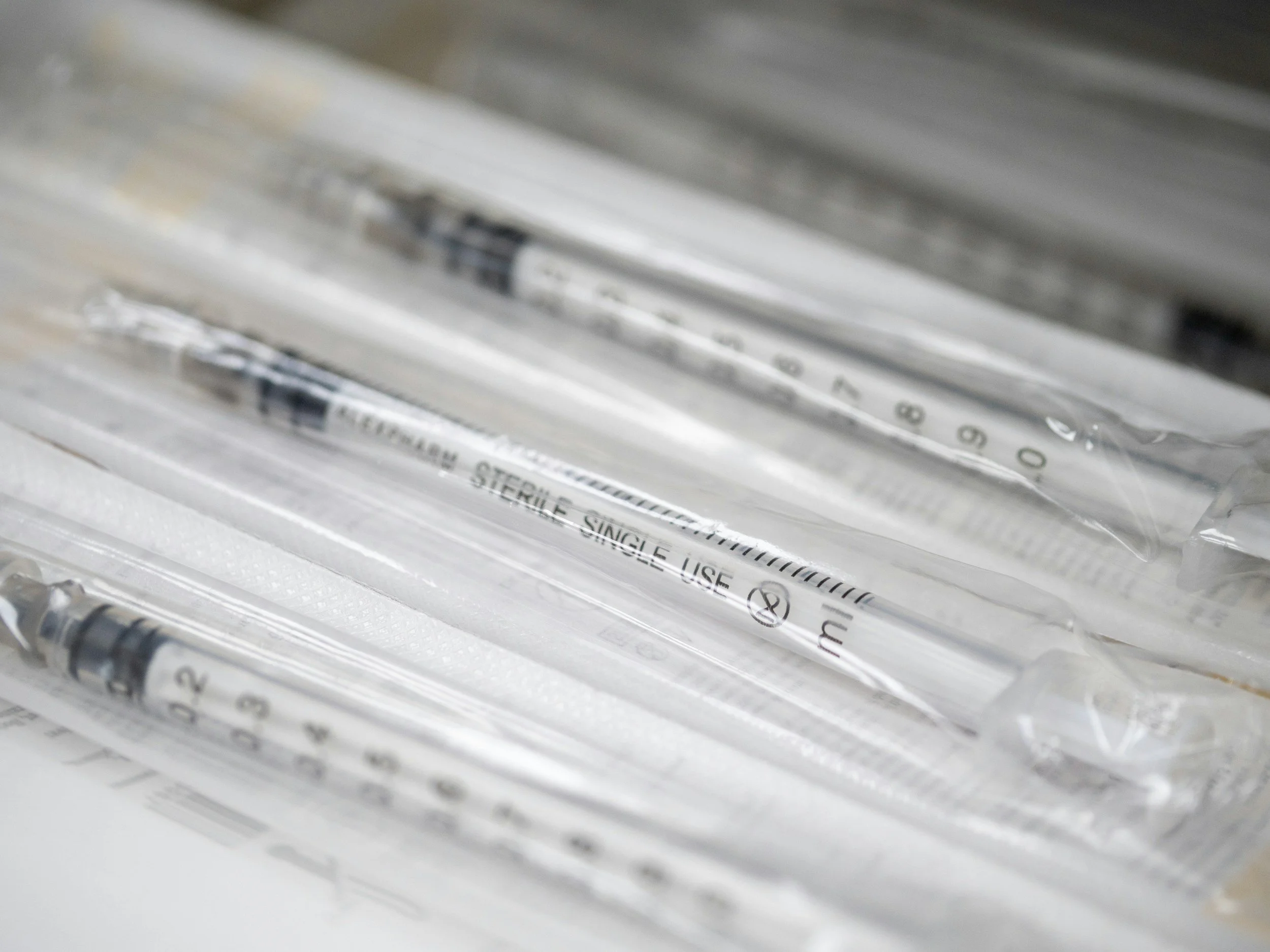
Subcutaneous injections deliver NAD+ into the fatty tissue just beneath the skin using a small insulin syringe. Unlike intravenous therapy, no IV catheter or infusion pump is required. The injection itself typically takes only a few minutes after proper preparation and instruction.
Because subcutaneous injections can be performed at home, they eliminate the need to schedule recurring clinic visits, travel to appointments, or spend several hours connected to an IV. Many individuals find that this convenience makes it easier to maintain a consistent wellness routine.
Subcutaneous injections are commonly used for many different medications because the fatty tissue beneath the skin provides a simple and accessible route of administration when appropriate.
Reference:
Subcutaneous Injection Technique Overview
https://www.ncbi.nlm.nih.gov/books/NBK556121/
Comparing Treatment Time
One of the biggest practical differences between these two options is the amount of time required.
A single NAD+ IV infusion may require several hours from arrival to completion. This includes preparation, IV placement, the infusion itself, and post-treatment observation if necessary.
By comparison, after learning proper technique, most subcutaneous NAD+ injections can be completed in just a few minutes. For many busy professionals, parents, and individuals with demanding schedules, this difference alone is a significant advantage.
Instead of planning an afternoon around an appointment, many people simply complete their injection at home when it best fits their schedule.
Comparing Cost
Cost is another major factor when deciding between IV therapy and at-home injections.
NAD+ IV therapy often includes expenses beyond the NAD+ itself, such as clinical overhead, IV supplies, infusion equipment, nursing time, facility costs, and appointment scheduling. As a result, many NAD+ IV treatments cost several hundred dollars per session, with higher-dose infusions frequently exceeding that range depending on the provider and geographic location.
At-home subcutaneous NAD+ injections generally provide a more economical way to receive NAD+ because they eliminate many of the overhead costs associated with clinic-based IV infusions. This allows many individuals to receive more total NAD+ for their investment while maintaining greater flexibility over their dosing schedule.
Rather than paying for repeated appointments, many people prefer receiving a complete kit that includes the NAD+, sterile supplies, instructions, and educational resources needed for home administration.
Reference:
Consumer overview of NAD+ IV therapy pricing
https://www.healthline.com/health/nad-iv-therapy
Convenience and Lifestyle
Consistency is often easier when a wellness routine fits naturally into daily life.
Clinic-based IV therapy may require scheduling appointments weeks in advance, traveling to the clinic, waiting for treatment, and dedicating several hours for each infusion.
At-home NAD+ injections offer greater flexibility by allowing individuals to administer their treatment on their own schedule. Whether before work, after the gym, or during the evening, the process can typically be completed in just a few minutes.
For many people, this convenience is one of the primary reasons they choose subcutaneous injections over recurring IV appointments.
Are the Needles Painful?
One common concern is the size of the needle.
Subcutaneous NAD+ injections are typically administered using a very small insulin syringe designed for injections into fatty tissue. Many individuals describe the injection as causing only mild discomfort, although everyone's experience is different.
Following proper injection technique, rotating injection sites, and allowing alcohol to dry completely before injection can help improve comfort.
If you're new to injections, detailed printed instructions and step-by-step video guides can make the learning process much easier.
Which Option Is Right for You?
Both IV therapy and subcutaneous injections have their place, and the right choice depends on your personal preferences, schedule, budget, and healthcare provider's recommendations.
You may prefer IV therapy if you enjoy receiving treatments in a clinic or prefer direct supervision during administration.
You may prefer at-home subcutaneous injections if convenience, flexibility, shorter treatment times, and lower overall costs are important to you.
For many individuals looking to incorporate NAD+ into their long-term wellness routine, the ability to complete treatment at home in just a few minutes makes subcutaneous injections an appealing option.
At NAD+ North Shore, our goal is to make NAD+ therapy as simple and transparent as possible. Every kit includes third-party tested NAD+, sterile individually packaged supplies, printed instructions, QR code video tutorials, and home delivery throughout Chicago's North Shore, making it easy to begin your wellness journey with confidence.
Final Thoughts
Choosing between NAD+ IV therapy and subcutaneous injections ultimately comes down to convenience, lifestyle, and personal preference. While IV therapy remains a popular option in clinical settings, many individuals are discovering that at-home subcutaneous injections offer a practical and cost-effective alternative without requiring hours at an infusion clinic.
As research into NAD+ continues to grow, selecting a provider that emphasizes quality, transparency, education, and proper administration techniques can help ensure a positive experience.
Frequently Asked Questions
Are NAD+ injections the same as NAD+ IV therapy?
Both deliver NAD+, but they use different administration methods. IV therapy is infused into a vein, while subcutaneous injections are administered into the fatty tissue beneath the skin.
How long does an NAD+ IV take?
Many IV infusions take between two and six hours depending on the protocol and dose.
How long does a subcutaneous NAD+ injection take?
Once familiar with the process, many people complete the entire injection in just a few minutes.
Are at-home NAD+ injections more affordable?
In many cases, yes. Because they eliminate many clinic-related expenses, at-home injections often provide more NAD+ for the overall investment compared to recurring IV appointments.
Can I administer NAD+ injections myself?
Many people do after receiving proper instruction. Always follow your healthcare provider's guidance and use sterile technique.
References
Intravenous Nicotinamide Adenine Dinucleotide (NAD+) for Human Health: Current Evidence and Future Directions
https://pmc.ncbi.nlm.nih.gov/articles/PMC6751327/
Subcutaneous Injection Technique (StatPearls)
https://www.ncbi.nlm.nih.gov/books/NBK556121/
NAD+ Metabolism and the Control of Energy Homeostasis
https://www.nature.com/articles/s41580-020-00313-x
Healthline: NAD IV Therapy Overview and Typical Costs
https://www.healthline.com/health/nad-iv-therapy